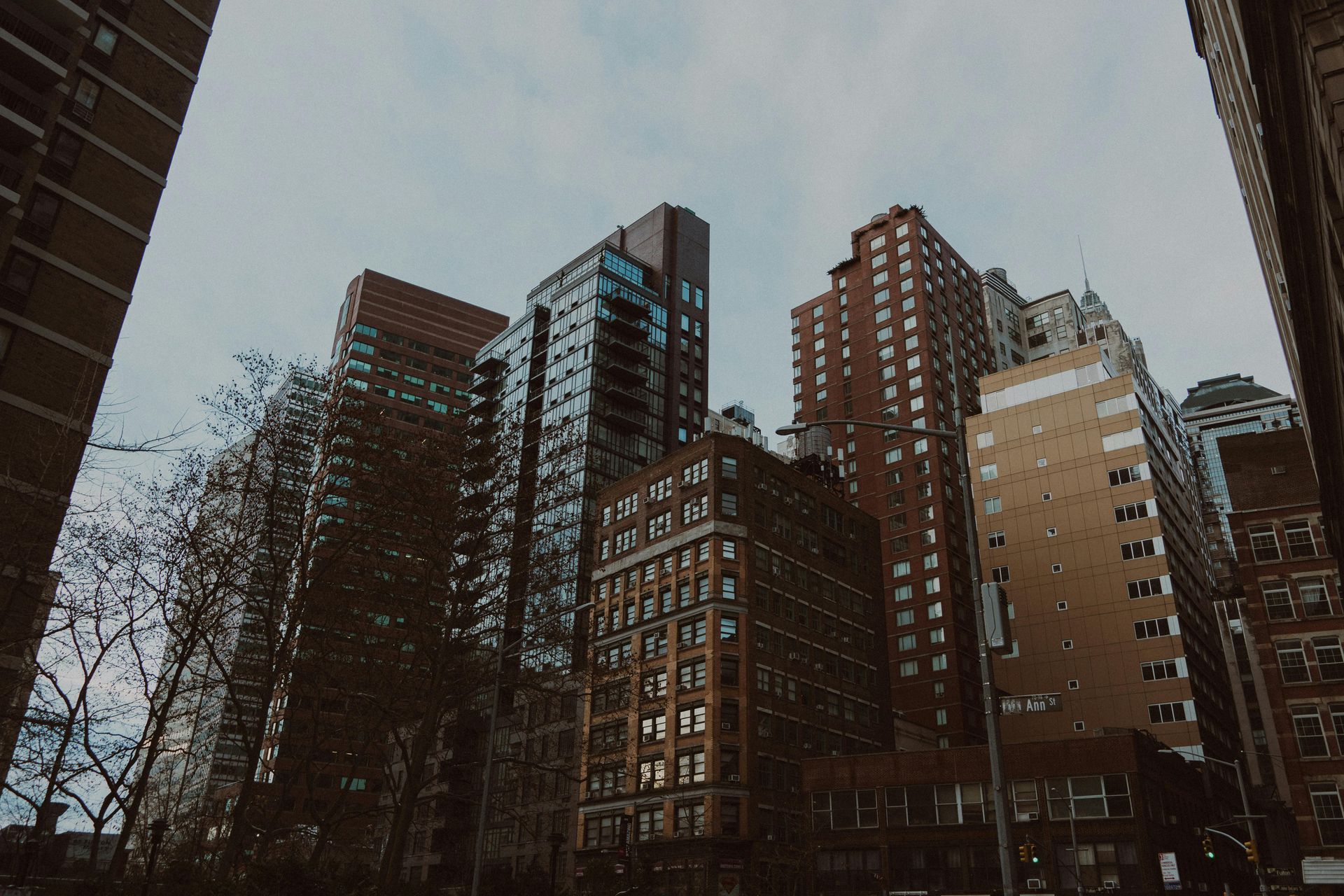
Why Hiring a Local NYC Architect Makes All the Difference
Why Hiring a Local NYC Architect Makes All the Difference

Designing or renovating in New York City is unlike building anywhere else. Between complex zoning regulations, stringent building codes, historic preservation requirements, and the realities of dense urban construction, the process can be overwhelming for property owners and developers.
That’s why choosing a local NYC architect—someone who knows the city’s systems, neighborhoods, and agencies inside and out—can be the difference between a smooth project and months of costly delays.
At
William Leggio Architect LLC, we’ve been working in New York for more than 30 years. Here’s why local expertise matters—and how it benefits homeowners, developers, and business owners alike.
1. Deep Knowledge of NYC Zoning and Code
Every property in New York is regulated by zoning laws that govern:
- Use (residential, commercial, mixed-use)
- Floor Area Ratio (FAR) and lot coverage
- Height limits and setbacks
- Parking and open space requirements
Even small projects, like adding a rooftop terrace or expanding a kitchen, may be subject to zoning analysis.
Local architects understand:
- How to read and interpret NYC’s Zoning Resolution
- When a variance or special permit may be required
- Which zoning overlays or special districts apply to your property
- How to design creative solutions that maximize space while remaining compliant
For more, see our related guide:
[NYC Zoning Laws Explained – https://www.williamleggioarchitectllc.com/nyc-zoning-laws-explained-what-homeowners-and-developers-need-to-know]
2. Experience with the Department of Buildings (DOB)
The DOB is the gatekeeper for nearly all construction work in NYC. Filing drawings, securing permits, and passing inspections can be time-consuming if not done correctly.
A local NYC architect knows:
- How to prepare and submit compliant DOB filings
- The common red flags that cause rejections
- How to coordinate with plan examiners and inspectors
- Which contractors and engineers have good track records with approvals
This insider knowledge can shorten timelines significantly, ensuring projects move forward without unnecessary obstacles.
3. Navigating the Landmarks Preservation Commission (LPC)
Many NYC neighborhoods—Greenwich Village, Brooklyn Heights, SoHo—fall under historic district protections. Exterior changes in these areas require LPC review.
A local architect has:
- Hands-on experience preparing LPC applications
- Knowledge of which materials, windows, and design changes are typically approved
- Established relationships with LPC staff and commissioners
- The ability to balance preservation with modern needs
Without this expertise, projects risk lengthy delays or outright denials.
4. Familiarity With NYC Building Types
NYC is home to a wide variety of architectural stock, each with its own quirks:
- Brownstones and Rowhouses: Narrow layouts, aging infrastructure, landmark restrictions
- Pre-War Apartments: Thick masonry walls, outdated plumbing, small kitchens and baths
- Luxury High-Rises: Board approvals, strict construction rules, and tight schedules
- Commercial Lofts: Large open spans, conversion requirements, egress challenges
Local architects know these building types intimately. They’ve encountered their structural, mechanical, and code issues before, and can anticipate solutions instead of reacting mid-project.
5. Strong Local Contractor and Consultant Network
Design is just one part of a successful project. Execution depends on the quality of contractors, engineers, and consultants.
A local architect brings with them:
- Trusted relationships with general contractors and subcontractors
- Engineers who understand DOB and LPC coordination
- Specialists in historic materials, lighting, acoustics, and energy compliance
- Expediters who can push filings through faster
This network helps ensure your project is not only well-designed but well-built.
6. Understanding NYC Lifestyle and Market Demands
What buyers, renters, and homeowners expect in New York often differs from other regions. Local architects design with these priorities in mind:
- Maximizing natural light in narrow layouts
- Integrating storage without sacrificing aesthetics
- Open-plan living with flexible zones
- Energy efficiency in older buildings
- High-end finishes that add resale value
Example: In a Brooklyn brownstone renovation, we designed built-in storage under staircases and integrated lighting into millwork—both functional and space-saving solutions unique to NYC living.
7. Faster Problem-Solving in the Field
NYC projects often involve surprises: hidden structural issues, undocumented conditions, or sudden DOB requests. Local architects are better equipped to solve these quickly because they:
- Know common “unknowns” in NYC building stock
- Have immediate access to consultants or fabricators
- Can pivot designs without losing compliance
- Are physically nearby to visit job sites and meet with inspectors
8. Local Presence and Accountability
Hiring a local architect means:
- Easier access for site visits and meetings
- Faster responses during construction
- Strong accountability within the NYC professional community
- Understanding of neighborhood-specific concerns, from parking to noise regulations
When challenges arise, having your architect close by can save days or weeks.
Client Case Study: Midtown Office Renovation
A developer hired us to convert a mid-century office space into a contemporary co-working hub. Challenges included:
- Outdated mechanical systems
- ADA compliance requirements
- Tight schedule driven by leasing deadlines
Our local expertise allowed us to:
- Expedite DOB filings
- Coordinate with union contractors familiar with Midtown logistics
- Redesign mechanical systems within code constraints
- Complete LPC-approved facade updates
The project was completed on time, and the space leased quickly thanks to its modern, code-compliant design.
Why Out-of-Town Architects Struggle in NYC
Even highly skilled architects from other regions often underestimate NYC’s complexity. Common pitfalls include:
- Misinterpreting zoning and FAR restrictions
- Underestimating DOB review times
- Selecting materials not approved by LPC
- Overlooking unique co-op or condo board requirements
- Struggling to coordinate with local contractors and expediters
The result is often costly redesigns, delays, and frustrated clients.
Frequently Asked Questions
Can any licensed architect work in NYC?
Yes, but only those licensed in New York State can file drawings. Experience within NYC is critical for success.
Do I need a local architect for small projects?
Even minor renovations (kitchen, bathroom, facade repairs) require DOB permits or LPC approvals. A local architect ensures compliance from the start.
What if my property is not landmarked?
You may avoid LPC review, but zoning and DOB still apply. Local expertise is still essential.
How do I choose the right NYC architect?
Look for:
- NYC-based license and practice history
- Experience with your property type (apartment, brownstone, commercial)
- Proven track record with DOB and LPC
- Clear communication and project management
Why Work With William Leggio Architect LLC?
With over 30 years of practice in New York City, our firm offers:
- In-depth knowledge of NYC zoning and building codes
- Successful LPC and DOB approval history
- Hands-on experience with brownstones, pre-war apartments, commercial spaces, and new construction
- Strong relationships with local contractors and consultants
- A commitment to delivering design excellence rooted in NYC context
We understand the city because we live and work here every day.
Call to Action
If you’re planning a renovation, restoration, or new build in New York City, hiring a local architect is your best investment.
Call: (212) 966-4443
Email: wleggio@wla-nyc.com
Website:
https://www.williamleggioarchitectllc.com