
How to Maximize a Small NYC Apartment With Smart Interior Design
How to Maximize a Small NYC Apartment With Smart Interior Design
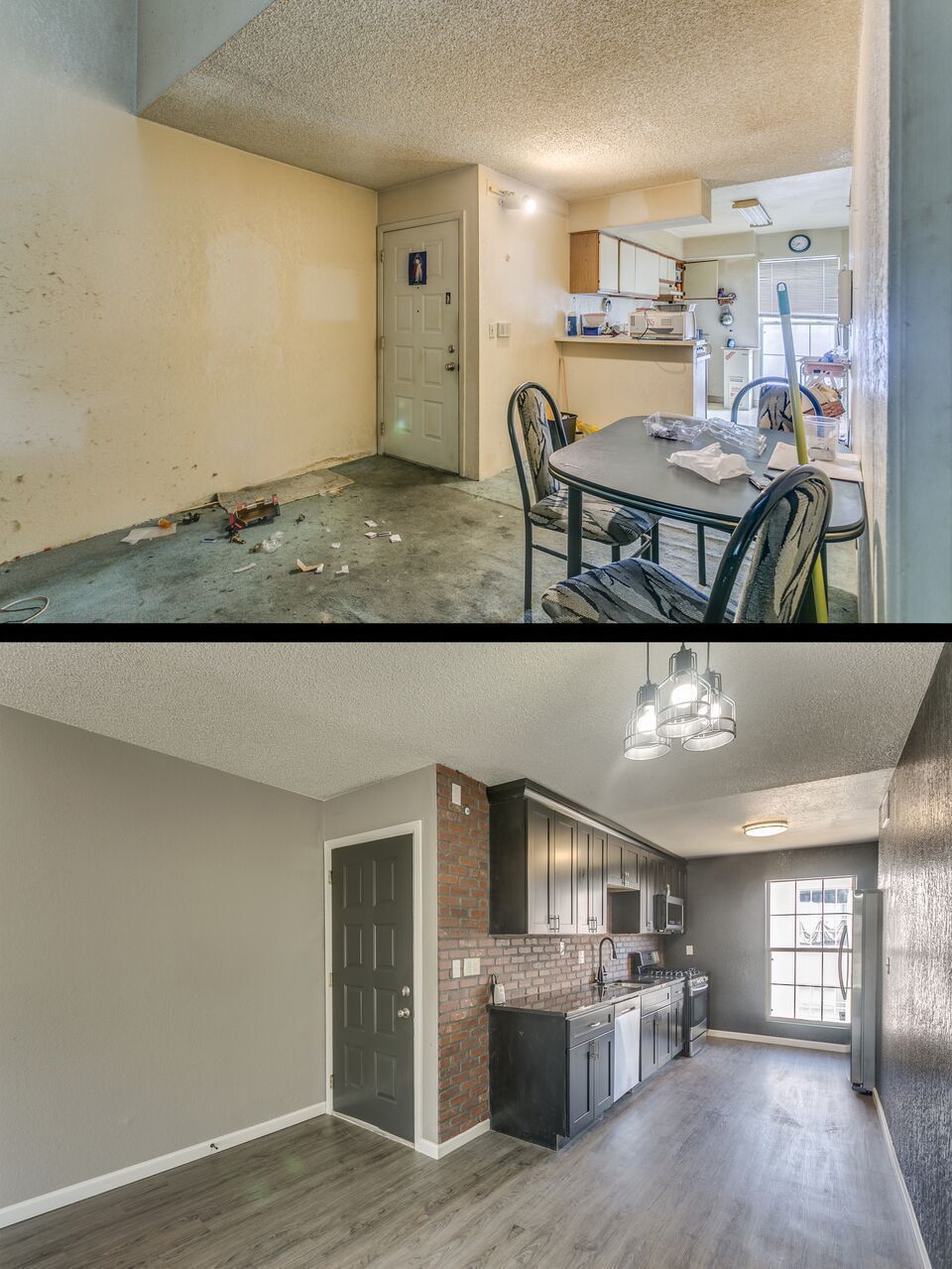
Introduction
Space is at a premium in New York City. Studios, one-bedrooms, and compact two-bedroom apartments dominate the housing stock, and while they offer convenience and location, they often leave residents craving more room.
The solution isn’t always moving to a larger apartment. With the right interior design strategies, even the smallest NYC apartments can be transformed into stylish, functional homes that feel open, inviting, and efficient.
At William Leggio Architect LLC, we’ve helped countless New Yorkers reimagine their small apartments. This guide shares our top design strategies, case studies, and expert insights into maximizing every square foot.
Why Small Apartment Design Matters in NYC
Unlike suburban homes, NYC apartments are defined by:
- Compact footprints (sometimes less than 500 sq. ft.)
- Irregular layouts in pre-war or converted buildings
- Co-op and condo board restrictions on renovations
- Storage scarcity due to limited closets
- Shared walls and noise concerns
Smart design addresses these challenges while tailoring the apartment to the resident’s lifestyle—whether that’s working from home, entertaining, or simply carving out storage.
Key Design Principles for Maximizing Space
1. Open Up the Floor Plan
Many NYC apartments were built with closed, boxy layouts. Removing non-load-bearing walls or creating wider openings can:
- Merge kitchen, dining, and living into one cohesive space
- Bring natural light deeper into the apartment
- Improve flow and flexibility
In tight apartments, even partial-height partitions or glass walls can expand sightlines while maintaining separation.
2. Prioritize Multi-Functional Furniture
Furniture is often the biggest space hog in small apartments. Choosing pieces with multiple uses makes a dramatic difference:
- Murphy beds that fold into wall cabinets
- Sofa beds for hosting guests
- Dining tables that expand or collapse
- Ottomans with hidden storage
- Built-in banquettes with under-seat compartments
Our firm often designs custom millwork so furniture integrates seamlessly into the architecture.
3. Think Vertical
When floor space is scarce, walls become prime real estate.
- Floor-to-ceiling bookcases or wardrobes
- Lofted beds with desks or seating below
- Hanging kitchen storage and magnetic racks
- Floating shelves above doorways
Vertical design increases storage while visually elongating a room.
4. Use Light and Color to Expand Perception
Visual tricks can make compact apartments feel larger:
- Light, neutral wall colors reflect daylight
- Mirrors strategically placed to double visual depth
- Translucent dividers to keep spaces bright
- Consistent flooring throughout to unify the apartment
Storage Strategies Tailored for NYC Apartments
Small apartments live or die by storage. These solutions prevent clutter from overwhelming limited space:
- Entryway Millwork: Built-ins for coats, shoes, and everyday essentials
- Custom Closets: Double rods, pull-out shelves, and organizers maximize vertical storage
- Hidden Storage: Under-bed drawers, toe-kick drawers in kitchens, recessed wall niches
- Overhead Storage: Cabinets above doors or hallways, ideal for seasonal items
- Dual-Purpose Built-Ins: Wall units that combine media storage, shelving, and workstations
Case Study: Studio Apartment in Chelsea
Before: A 400 sq. ft. studio with a galley kitchen, no closet space, and a bed dominating the main living area.
Goals: Create a sleeping area with privacy, increase storage, and make the apartment feel larger.
Solutions:
- Installed a
Murphy bed with shelving and integrated lighting
- Added a
glass partition to separate sleeping and living zones while maintaining light
- Designed a
floor-to-ceiling wall unit with built-in desk and storage
- Replaced bulky cabinets with sleek, modern finishes
After: The apartment feels like a one-bedroom, with distinct functional zones and significantly increased storage capacity.
Kitchen and Bathroom Design for Small Apartments
Smart Kitchen Upgrades:
- Compact appliances designed for urban apartments
- Pull-out pantries in narrow spaces
- Open shelving for easy access and reduced visual bulk
- Quartz or light-toned countertops to reflect light
Bathroom Solutions:
- Floating vanities with storage beneath
- Recessed medicine cabinets and shower niches
- Glass shower enclosures instead of heavy curtains
- Light-colored tile to expand visual space
Designing for Lifestyle in Small Spaces
Every client uses their apartment differently. Good design tailors the space to daily life.
- Remote Workers: Integrated desks or built-in office nooks.
- Entertainers: Open kitchens with flexible seating for guests.
- Minimalists: Clean lines, hidden storage, and clutter-free design.
- Families: Creative layouts that add bunk beds, play zones, or partitioned rooms.
Cost Considerations for Small Apartment Renovations
Renovation Costs (NYC 2025):
- Basic Upgrade: $250–350 per sq. ft.
- Mid-Range Renovation: $350–500 per sq. ft.
- High-End Renovation: $500–700+ per sq. ft.
ROI Potential:
Well-designed small apartments often outperform larger ones on resale. Buyers value efficiency and modern finishes. A $100,000 renovation can add
15–30% in resale value, particularly in co-op and condo markets.
Additional Case Study: One-Bedroom in Brooklyn Heights
Before: Cramped kitchen, dark finishes, and a long, narrow living room.
Solutions:
- Knocked down wall between kitchen and living room for an open plan
- Added built-in banquette dining with hidden storage
- Installed custom millwork along a full wall, integrating TV, shelving, and a fold-out desk
- Selected a light, cohesive color palette to maximize brightness
After: The one-bedroom feels bright, spacious, and tailored to modern living, significantly increasing both comfort and resale appeal.
Common Mistakes in Small Apartment Design
- Oversized furniture that overwhelms rooms
- Ignoring vertical space for storage
- Choosing dark finishes that shrink space
- Lack of lighting layers, leaving rooms flat and dim
- Poor circulation paths that create bottlenecks
Frequently Asked Questions
How long does a small apartment renovation take in NYC?
Most range from
4 to 8 months, depending on approvals and scope.
Do co-op boards restrict design changes?
Yes, many boards require architectural drawings and limit plumbing, electrical, or wall removals. We handle these approvals for clients.
Can small apartments add value through design?
Absolutely. Efficient layouts and modern finishes significantly increase resale potential in competitive neighborhoods.
Is custom furniture worth it?
Yes. Custom millwork maximizes space more efficiently than store-bought furniture and integrates seamlessly with the apartment.
Do I need an architect for minor updates?
If structural, plumbing, or electrical changes are involved, yes. Even small projects often require DOB filings.
Why Work With William Leggio Architect LLC?
For more than 30 years, we’ve specialized in maximizing space in NYC apartments through innovative design. Our expertise includes:
- Creative small-space layouts
- Custom storage and millwork solutions
- Experience with DOB and co-op/condo board approvals
- Seamless integration of architecture and interior design
We don’t just make small apartments livable—we make them exceptional.
Call us Today
Ready to reimagine your small NYC apartment? Let’s create a design that maximizes space, style, and value.